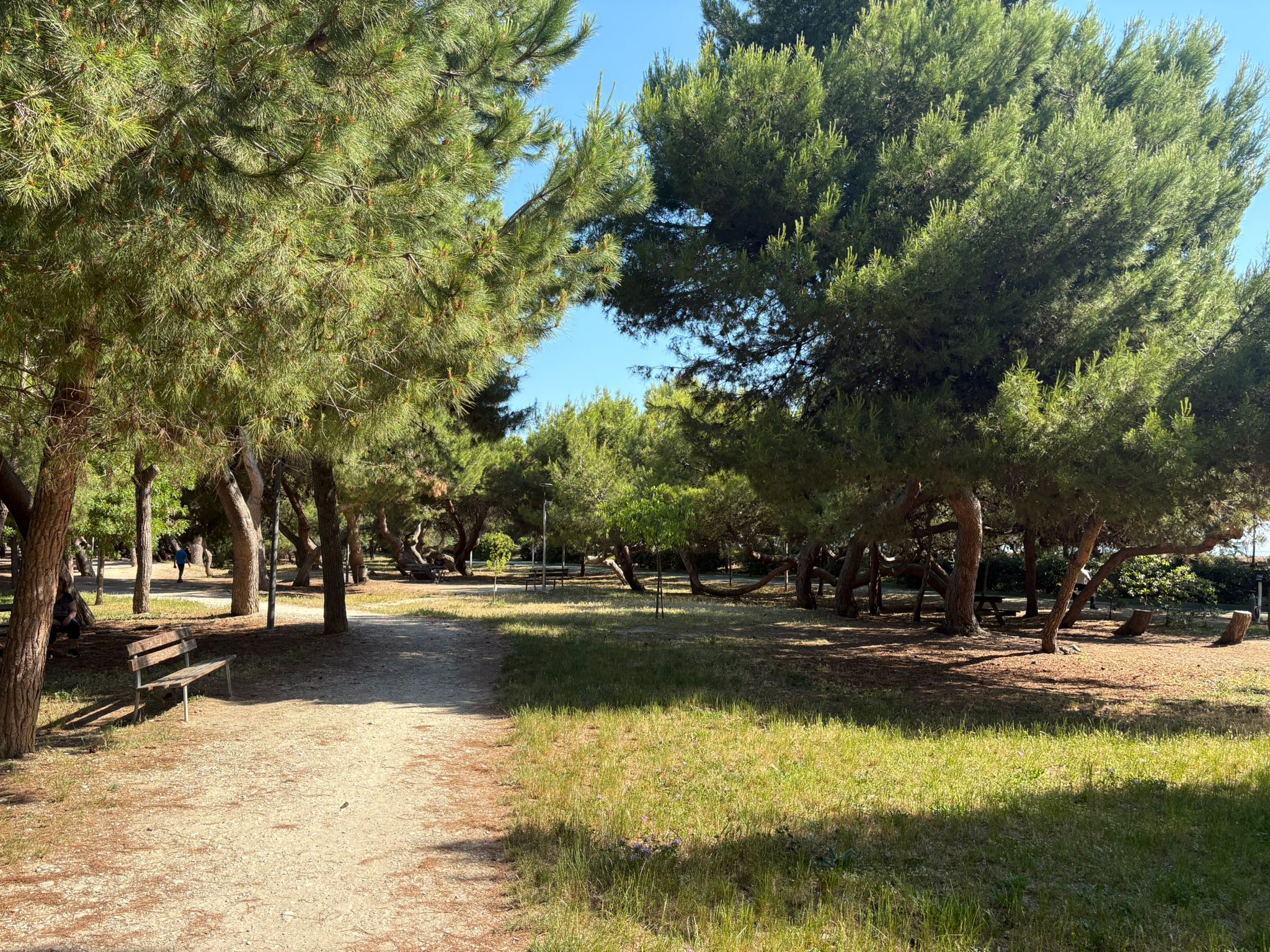
Pine grove
Porto Sant'Elpidio offers a perfect combination of wellness and nature thanks to its magnificent historic pine grove, an oasis of shade ideal for light trekking and family relaxation.
Porto Sant'Elpidio
A young and dynamic city between the sea and the pine forest, known for its hospitality, shopping, and one of the longest and most beautiful coastlines in the Marche.
The History of This Place
Porto Sant’Elpidio is one of the liveliest seaside resorts in the Adriatic, becoming an independent municipality in 1952 but with ancient roots dating back to the Picene and Roman eras. The symbol of the city is the 16th-century Clock Tower, an old lookout over the sea, which stands next to beautiful historic mansions like Villa Murri and Villa Baruchello, the latter set in a botanical park considered one of the most beautiful in Italy. With a seven-kilometer seafront—the longest on the Picene coast—characterized by lush pine forests, cycling paths, and fitness areas, the city is a paradise for sports and family relaxation. A hallmark of the Marche footwear district and host to major international events like 'The Theaters of the World', Porto Sant'Elpidio blends modernity, artisanal wisdom, and a strong vocation for hospitality.
Not to Miss
Discover the most fascinating places and unmissable attractions of the area
Porto Sant'Elpidio offers a perfect combination of wellness and nature thanks to its magnificent historic pine grove, an oasis of shade ideal for light trekking and family relaxation.
Built in the early 19th century by the Sinibaldi family and later passed to the counts Maggiori and the Murri family, this historic brick residence has served over time as a municipal seat, a school, and a polyclinic. Surrounded by a large garden accessible from two entrances, the villa represents today a fundamental piece of the historical and social memory of Porto Sant'Elpidio.
The Clock Tower is the symbol of Porto Sant'Elpidio. Built between 1350 and 1560 to defend the coast from pirates, it was erected in 1247 with the independence of the city. Known for its mysterious underground tunnels connecting it to Villa Murri, it has been restored and now hosts a tourism office (IAT) and municipal offices.
Immersed in a lush garden protected as a botanical garden and ranked among the most beautiful parks in Italy, characterized by an avenue of majestic holm oaks and a rich collection of conifers, palms, and water lilies. The garden, adorned with a staircase featuring Carrara marble sphinxes and an oriental oasis, culminates in a grove of holm oaks and magnolias that hosts a charming medieval-style tower made of bricks.
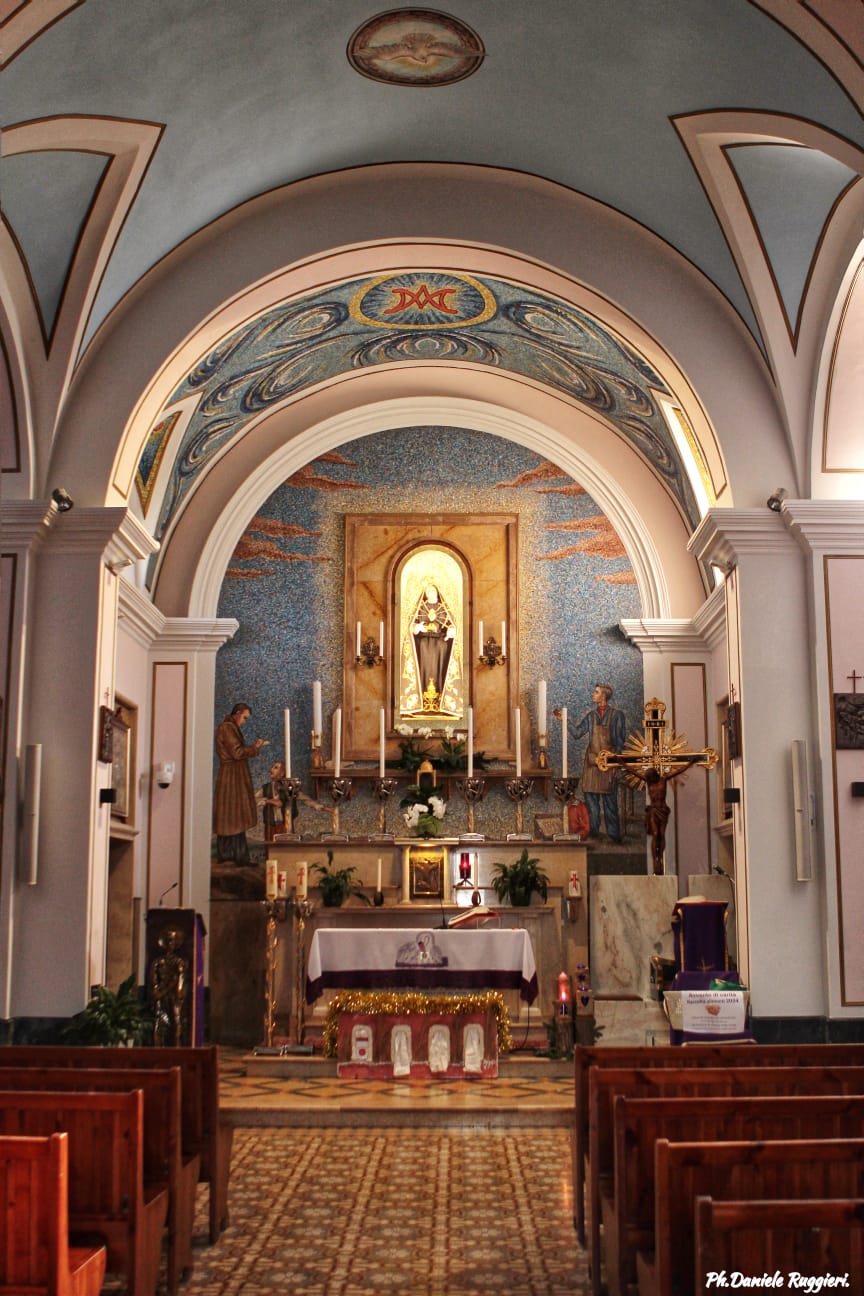
The Sanctuary of Santa Maria della Corva is a place of deep Marian devotion. Originating from the 16th century and originally dedicated to Saint John the Baptist, the church became famous for the miraculous event of 1829, when the statue of the Virgin of Sorrows opened its arms before the faithful.
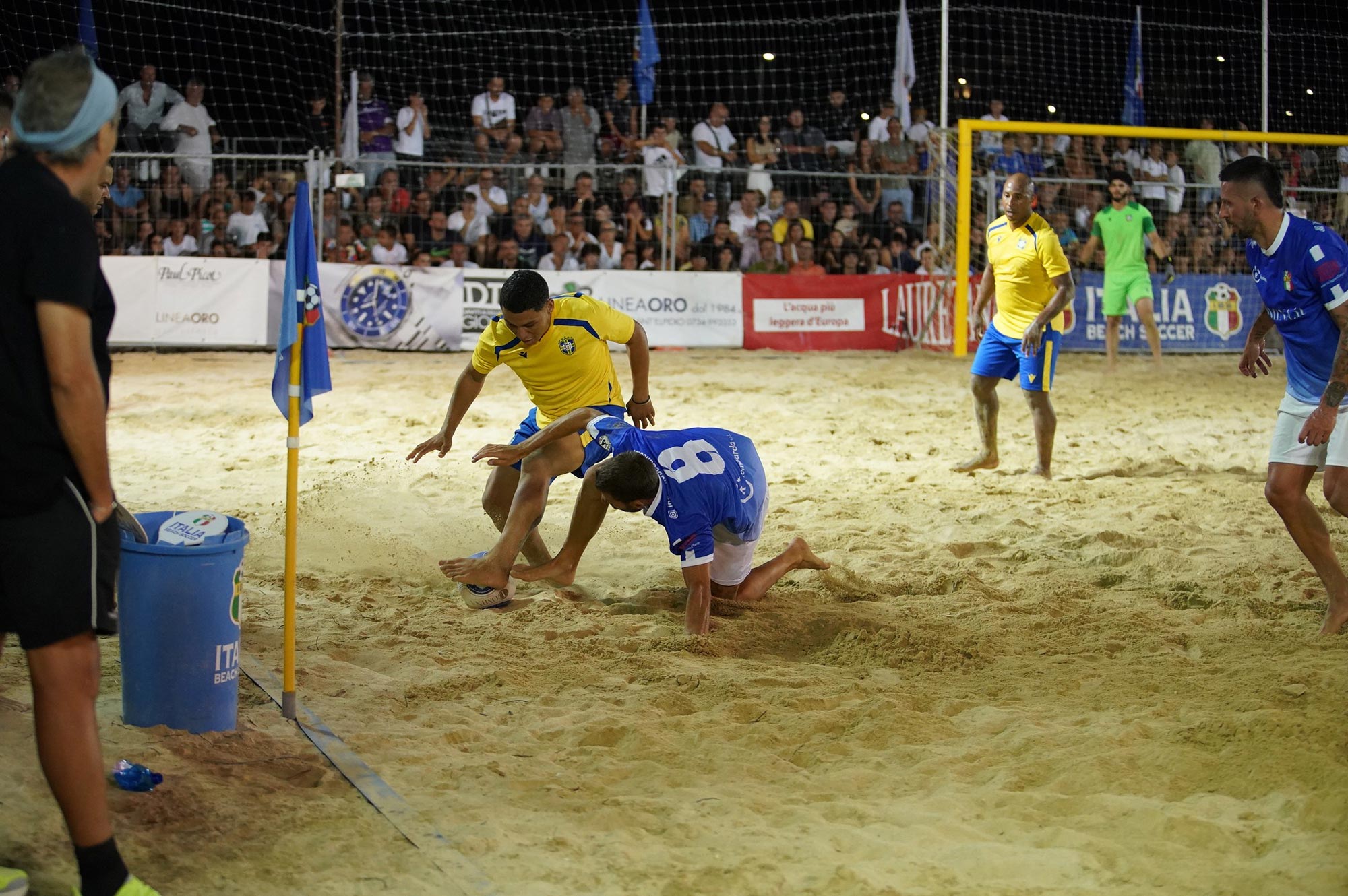
Eventi in Programma
Gli appuntamenti imperdibili che animano il territorio.


PLAN YOUR VISIT
Reach Porto Sant'Elpidio
Interactive map and directions for a comfortable arrival
Porto Sant’Elpidio si trova lungo la costa adriatica, in provincia di Fermo. È raggiungibile in auto tramite l’autostrada A14, uscendo al casello di Civitanova Marche–Macerata oppure al casello di Porto Sant’Elpidio, e proseguendo poi verso il centro e il lungomare. La città è inoltre collegata dalla SS16 Adriatica, comoda per gli spostamenti lungo la costa.
Porto Sant’Elpidio dispone di una propria stazione ferroviaria sulla linea Adriatica. Dalla stazione è possibile raggiungere facilmente a piedi il centro cittadino, il lungomare e i principali servizi.
Per visitare Porto Sant’Elpidio si può parcheggiare nelle aree di sosta nei pressi della stazione ferroviaria, comode per raggiungere sia il centro sia il lungomare. Altri riferimenti utili sono i parcheggi in zona Via Trieste, Via Faleria e Lungomare Sud, particolarmente indicati per chi vuole accedere alla spiaggia e alla passeggiata sul mare. Sono presenti anche aree di sosta gratuite in alcune zone del litorale, ma in estate o durante eventi è consigliabile verificare la segnaletica locale ed eventuali limitazioni temporanee.