Pine grove
Porto Sant'Elpidio
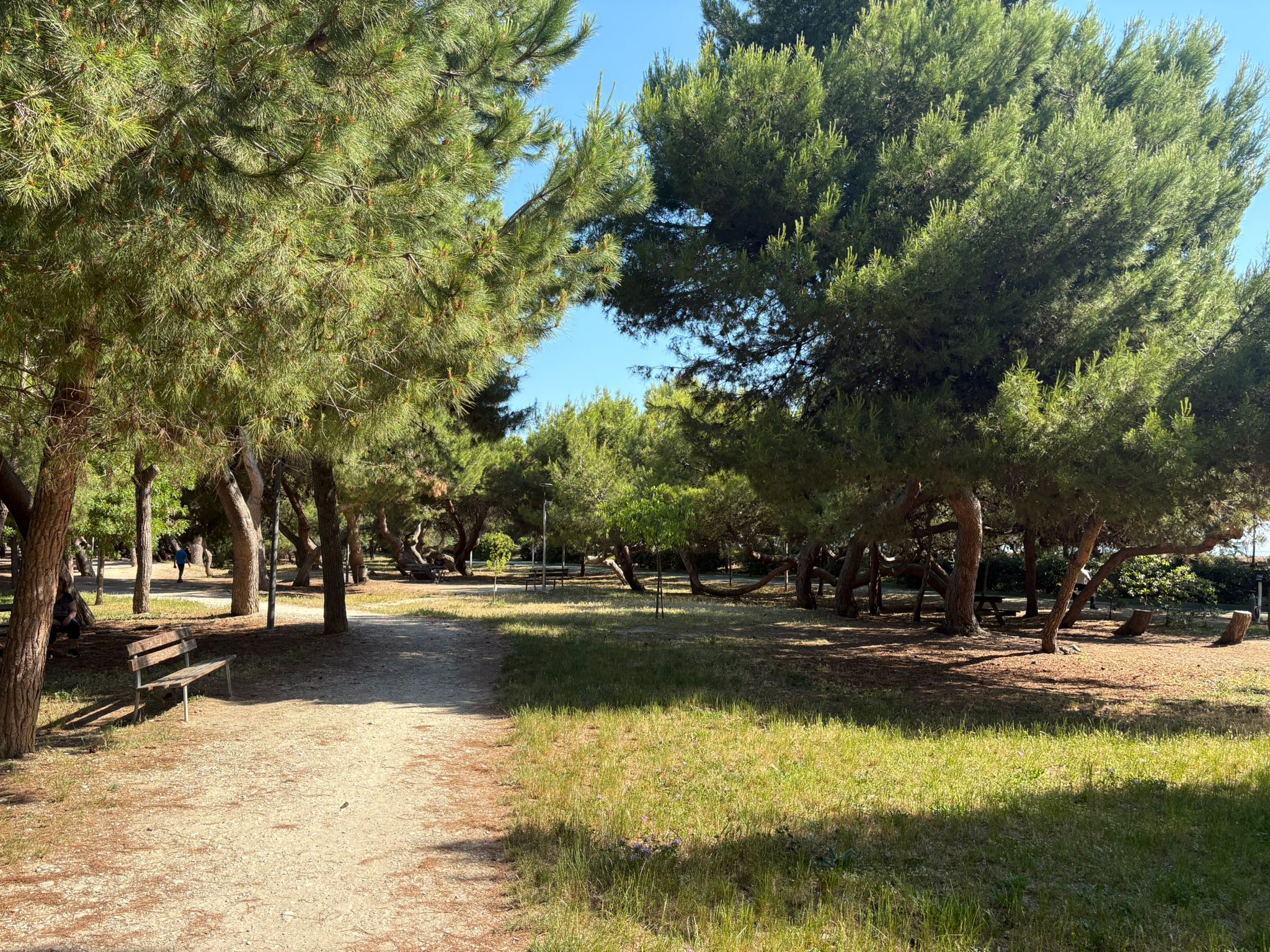
Porto Sant'Elpidio offers a perfect combination of wellness and nature thanks to its magnificent historic pine grove, an oasis of shade ideal for light trekking and family relaxation.

 Italiano
 English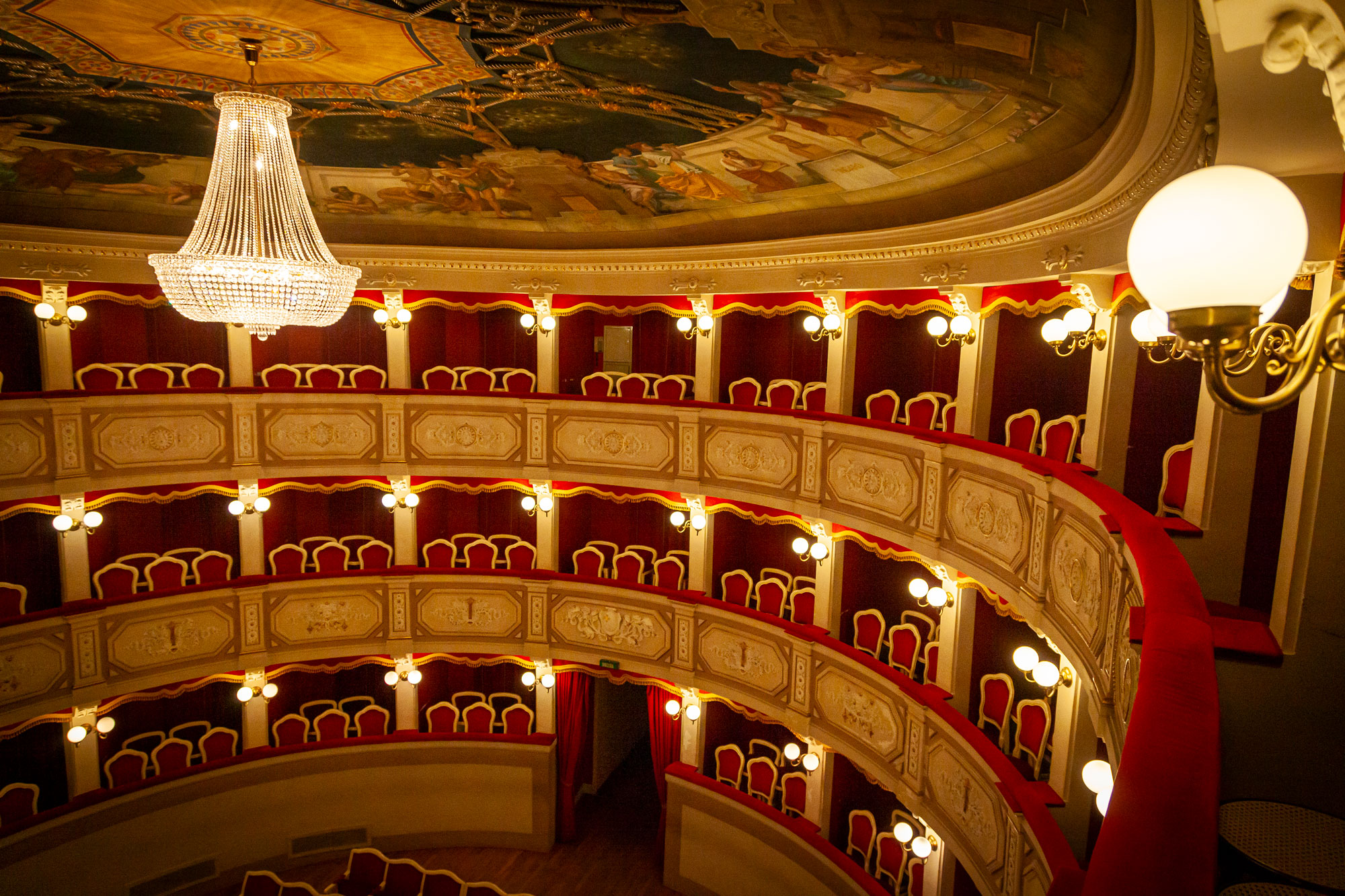
Architectural jewel of the 19th century, the Theater of Porto San Giorgio was completed in 1817 based on a design by architect Giuseppe Locatelli. Inside, the beautifully frescoed ceiling, painted in 1910 by Sigismondo Nardi, showcases an allegory of the arts and human destiny, bestowing remarkable beauty and elegance upon the city today.
Since 1809, the San Giorgio community wanted the construction of the theater, which was decided by the city council and entrusted to the project of architect Giuseppe Locatelli. Completed in 1816 and solemnly inaugurated on January 29, 1817, the structure underwent various structural modifications until reaching its current form in 1860. In that year, the curtain was renewed, and painter Mariano Piervittori depicted the entrance of Vittorio Emanuele II in the square, the sovereign to whom the building was dedicated until 1950, when it became state property and took on the name Teatro Comunale.
The building features a brick facade adorned with a travertine plaque bearing the motto “Castigat Ridendo Mores” – one corrects manners through laughter – framed by two masks representing tragedy and comedy. In the early 1900s, the famous San Giorgio painter Sigismondo Nardi frescoed the ceiling with a grand allegory of the arts and human destiny, giving it its current splendor. After a period of abandonment and uninhabitability, a conservative restoration completed in 1992 returned the building’s remarkable beauty to the area, confirming its importance as a center for performances, concerts, and conferences.
The Teatro Comunale is located in the centre of Porto San Giorgio, in Largo del Teatro. It can be reached by car via the A14 motorway, taking the Porto San Giorgio–Fermo exit, or along the SS16 Adriatica road, following signs for the town centre.
Porto S. Giorgio–Fermo railway station is conveniently located close to the town centre. From there, the Teatro Comunale can be reached on foot in just a few minutes or by local transport.
Visitors can use parking areas in the town centre and near the railway station, always checking local signs, fees and any temporary restrictions, especially during performances.
Porto Sant'Elpidio offers a perfect combination of wellness and nature thanks to its magnificent historic pine grove, an oasis of shade ideal for light trekking and family relaxation.
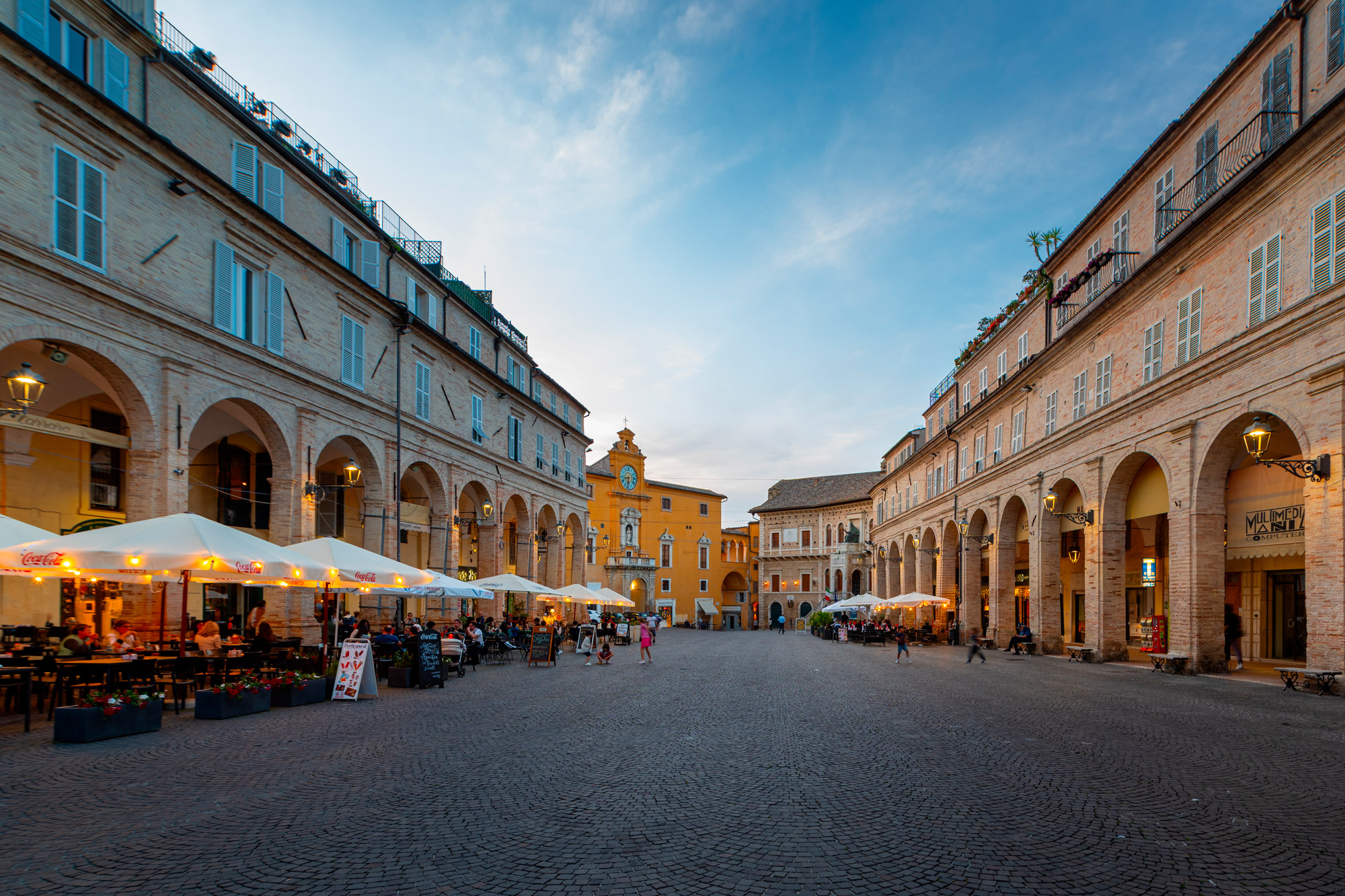
Piazza del Popolo is the heart of the city of Fermo. Surrounded by sixteenth-century brick arcades, it hosts the oldest public buildings in the town. The square was originally dedicated to San Martino and was named after the small church of the same name, which was later incorporated into the construction of Palazzo dei Priori.
Thin and golden egg pasta, the Maccheroncini di Campofilone IGP tells a centuries-old tradition made of manual gestures, simple ingredients, and peasant wisdom. A Marche excellence celebrated every summer in the heart of the village.